The Billion-Rand Question
Changing the Isolation of School Utility Management. After years of working with schools across Johannesburg, we routinely notice a recurring pattern: very few administrators know how their school’s electricity and water costs compare to neighbouring schools in their Ward or District. The truth is, the public education sector operates in data silos.
 Ken Nunes 7 November 2026 2 min read
The Billion-Rand Question
Changing the Isolation of School Utility Management.
After years of working with schools across Johannesburg, we routinely notice a recurring pattern: very few administrators know how their school’s electricity and water costs compare to neighbouring schools in their Ward or District.
The truth is, the public education sector operates in data silos. Each school functions like an isolated SME—left to its own devices to navigate infrastructure upgrades, finance large-scale investments like solar, decipher complex municipal tariffs, schedule maintenance, and resolve billing disputes. The unintended consequence of this isolation is that costly operational mistakes are repeated across hundreds of institutions, unnecessarily draining millions of Rand from educational budgets every year.
By aggregating data, utility management stops being an isolated administrative hassle and becomes a multi-billion-rand governance priority.
Understanding the Macro Scale: A R900M+ Annual Spend
Johannesburg is home to approximately 1,153 schools, categorised broadly into primary (circa 70%) and secondary/high schools (circa 30%).
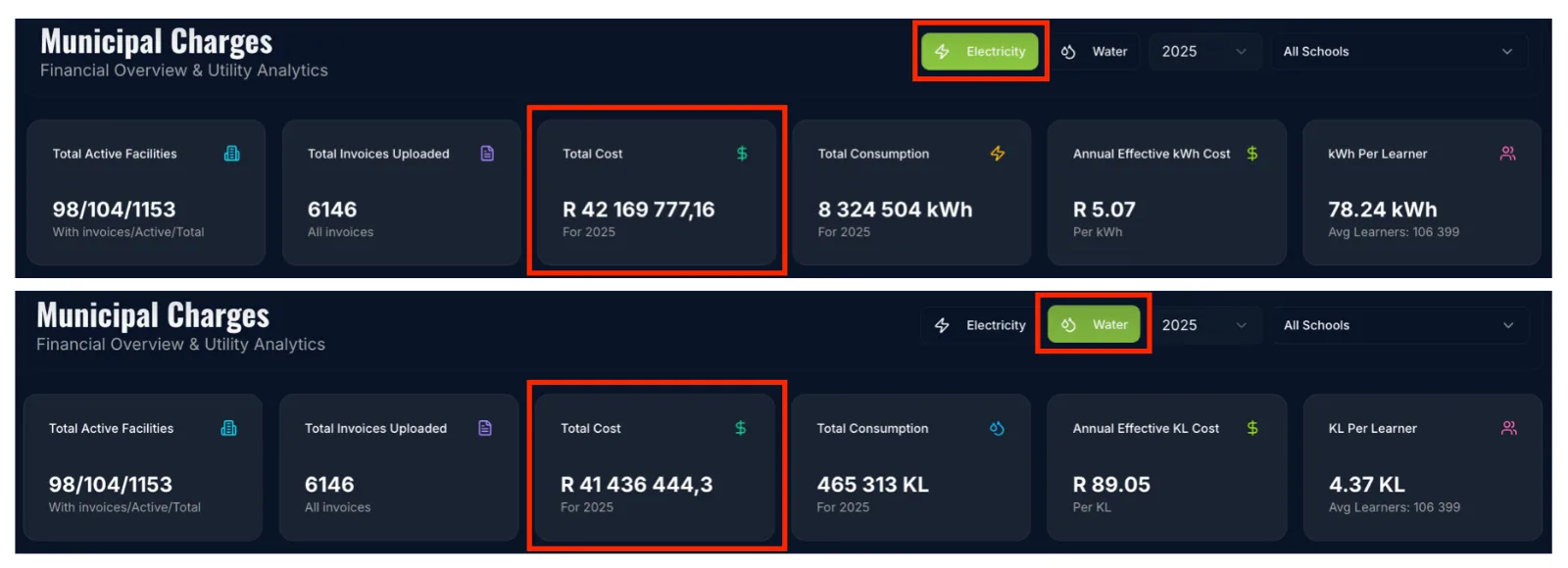
To understand the macro scale of utility expenditure across the city, we analysed verified municipal invoices from 104 active schools on the Suntricity Online Platform.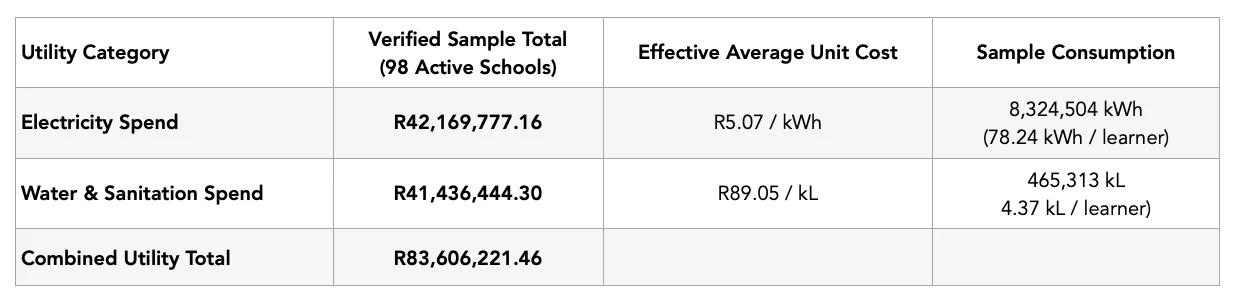
Using conservative weighted averages derived from the 2025 dataset, an average primary school in Johannesburg spends approximately R650,000 annually on combined utilities, while a secondary/high school spends between R1.2M and R1.35M.
Extrapolating these conservative averages across all 1,153 institutions in Johannesburg reveals an astonishing statistic: schools in Johannesburg collectively spend well over R910,000,000 every year on electricity and water.
As the saying goes: "A billion here, a billion there, and pretty soon you're talking about real money.”
The 10-Year Outlook: Billions at Stake
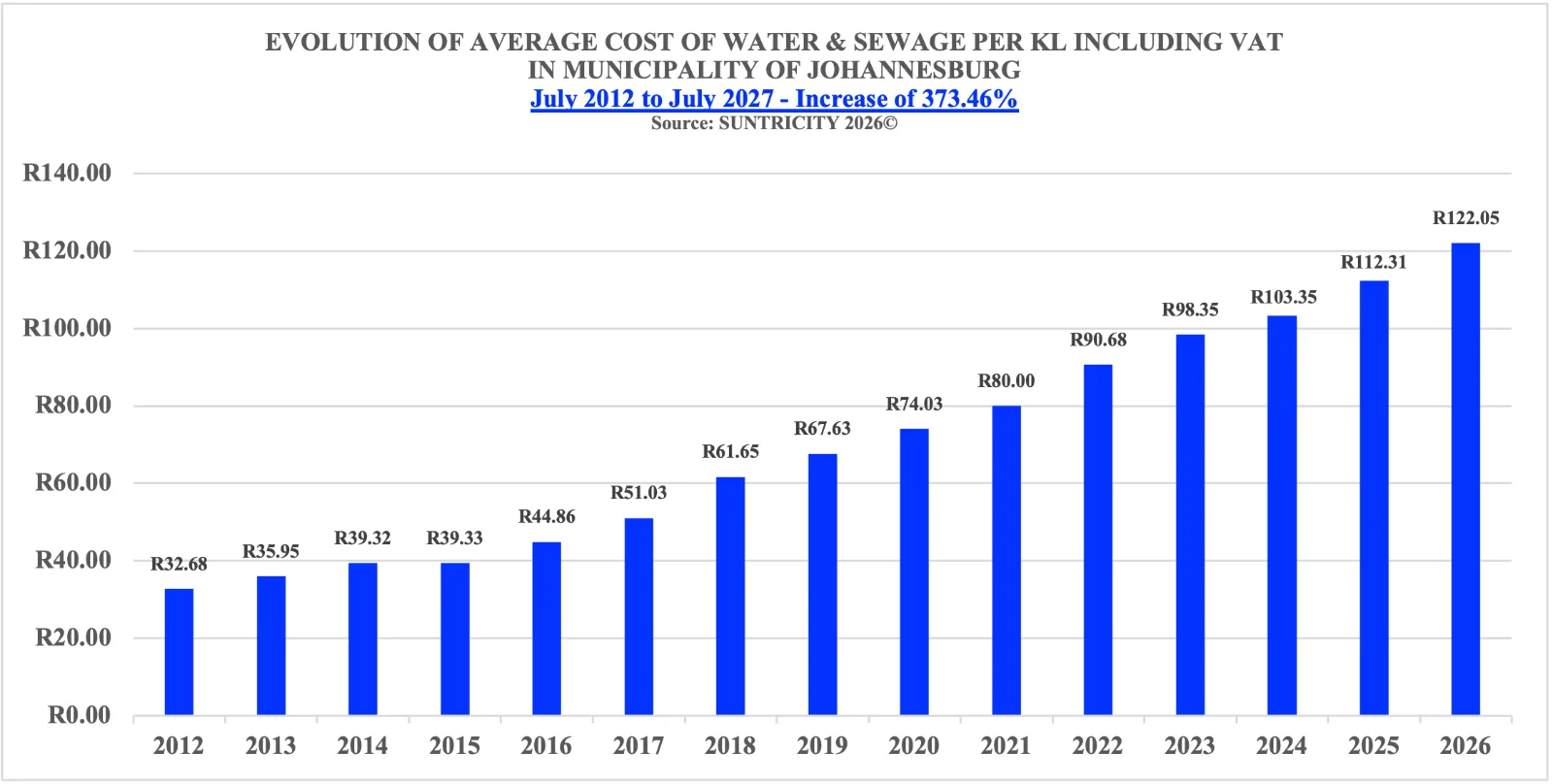
With annual municipal tariff escalations compounding between 7.5% and 9.5% over the past decade, Johannesburg schools are projected to spend the best part of R15 billion on municipal utilities over the next ten years.
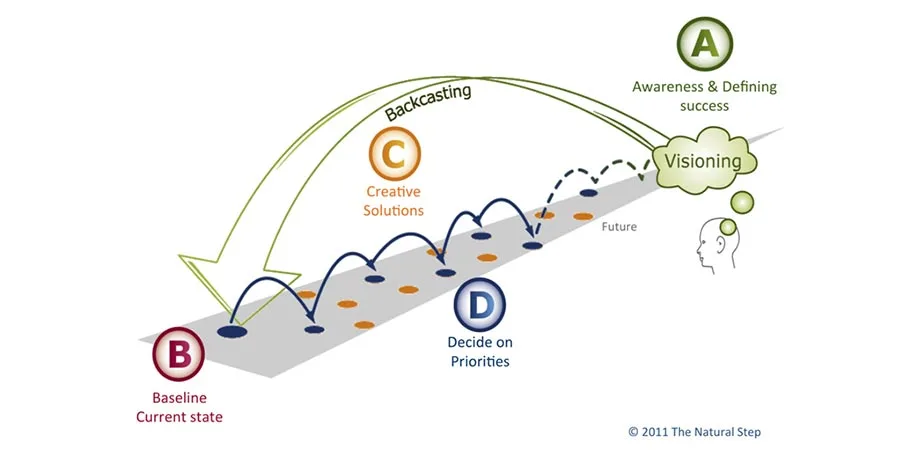
Operating in isolation was never a sustainable option. In this 21st Century, being part of a Network is an imperative. To fulfil their fiduciary responsibility under the South African Schools Act (SASA), School Governing Bodies (SGBs) need comparative intelligence at their disposal. By equipping financial committees with structured data, clear baselines, and comparative KPIs, utility management transforms from reactive bill-paying into strategic financial control.
Preparing for 2027 begins with breaking out of this isolation. By pooling audited municipal data within the Suntricity Network, schools gain the collective insight, diagnostic clarity, and legal proof required to master these financial challenges.
We invite all primary and secondary schools to join the Suntricity Network today. Upload your 2026 monthly municipal invoices to establish your baseline—and enter 2027 with a fuller understanding and true visibility over your utility expenditure.
Was this article helpful?