The 70% Blind Spot
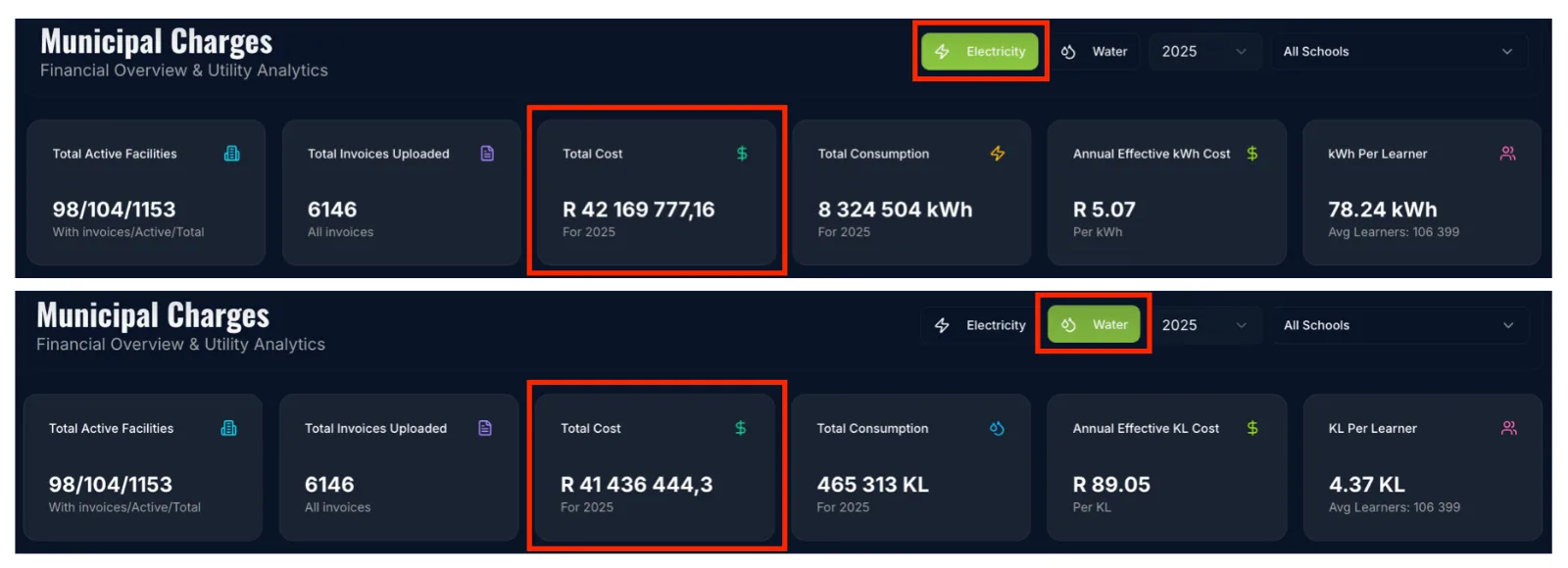
Utility Stewardship Belongs to the Entire School Community. The recurring theme of this blog is simple: raising awareness of what your school spends on electricity and water every single day, month, and year. Relying solely on municipal invoices is a structural handicap. Because municipal invoices arrive long after consumption has occurred, the money is already spent; the horse has bolted.
 Ken Nunes 10 November 2026 2 min read
Utility Stewardship Belongs to the Entire School Community
The recurring theme of this blog is simple: raising awareness of what your school spends on electricity and water every single day, month, and year.
Relying solely on municipal invoices is a structural handicap. Because municipal invoices arrive long after consumption has occurred, the money is already spent; the horse has bolted.
True vigilance requires daily awareness. This means engaging the entire school: Admin. Staff, SGB members, teachers, parents, learners, facility teams and who ever else uses the schools’ facilities.
The Math Behind the 70% Blind Spot
When we examine the official gazetted school calendar, the breakdown of the year becomes clear:
School Days: ~200 days across four terms
Non-School Days: ~165 days across weekends, public holidays, staff admin days, and school holidays
Next, consider the operational hours of a typical school day:
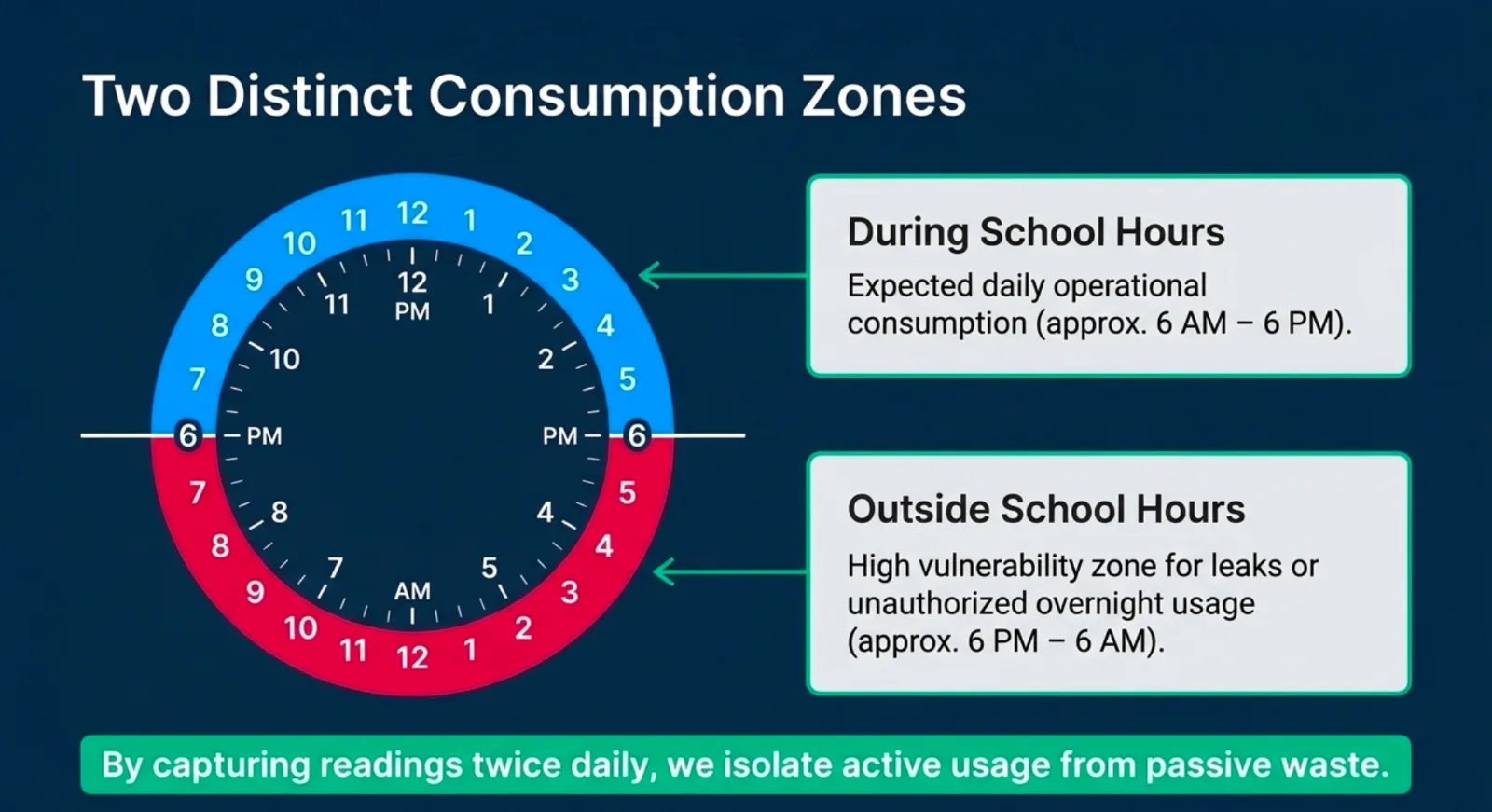
During School Hours: 06:00 to 18:00 (12 hours) on operational school days
Outside School Hours: 18:00 to 06:00 (12 hours) on school days, plus all 24 hours of weekends and holidays, (accounting for scheduled evening and weekend extra-mural events).
The Annual Hour Breakdown:
Total Hours in a Year: 365 days×24 hours = 8,760 hours
During School Hours: 200 days×12 hours = 2,400 hours— 27.4% (~30%)of the year
Outside School Hours: 8,760−2,400 = 6,360 hours— 72.6% (~70%) of the year
Consumption During School Hours directly serves the primary operational mission—delivering high-quality education to our children, whereas consumption Outside School Hours must be defined as potential WASTE, while understanding no system can be completely closed and baseline utility consumption is always necessary. However, un-monitored outside school hours consumption is a financial liability no school can afford.
Monitoring & Tracking: The Fundamental First Step
The first step toward financial control is disciplined data capture. W. Edwards Deming’s famous adage holds true: In God we trust; all others must bring data.
When you track numbers over time, patterns emerge—and once you see the pattern, every decision the school executives and SGBs must take, becomes clearer.
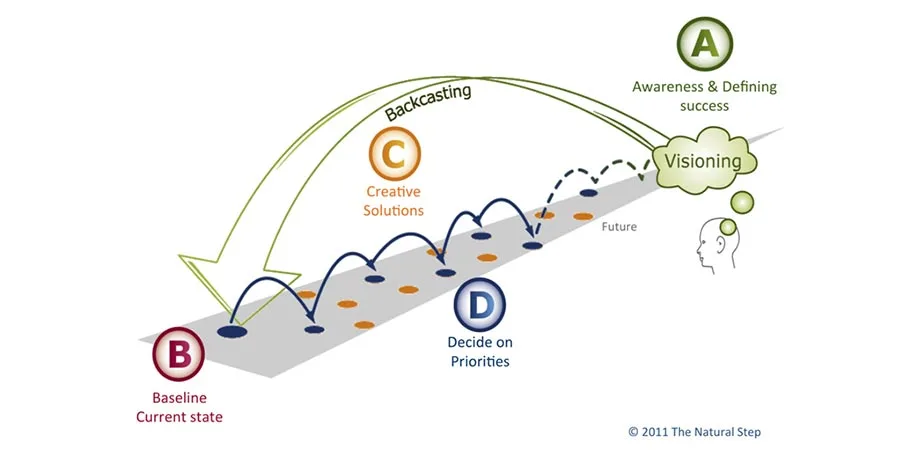
We will expand on this framework over upcoming posts, to help school leadership clarify their operational vision, apply the backcasting principles we have already discussed.
Was this article helpful?